
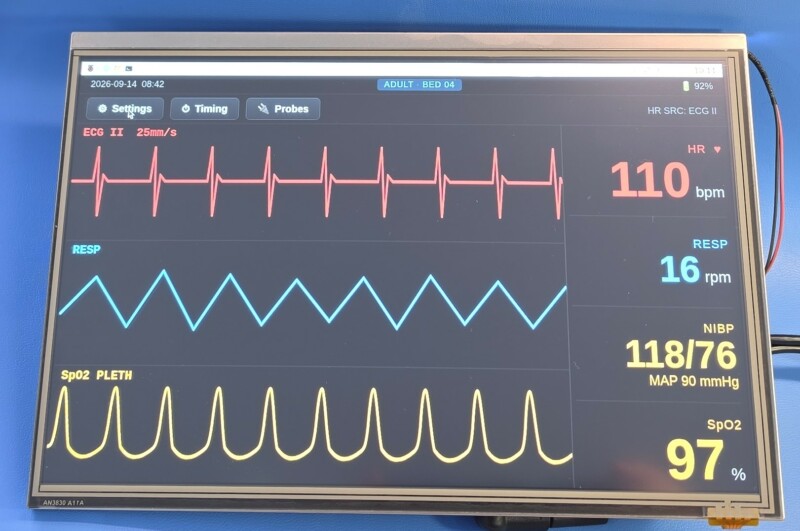
Protecting LCD Displays: Best Solutions for Every Environment and Screen Type
LCD displays are used in everything from handheld devices and industrial equipment to outdoor kiosks and medical instruments. While these displays deliver critical information, they’re also vulnerable to environmental and physical stressors. Choosing the right protection strategy depends on the display type, its environment, and how the end user will interact with it.
Below, we’ll break down the best ways to protect LCDs across a range of applications—and provide a quick-reference chart at the end.
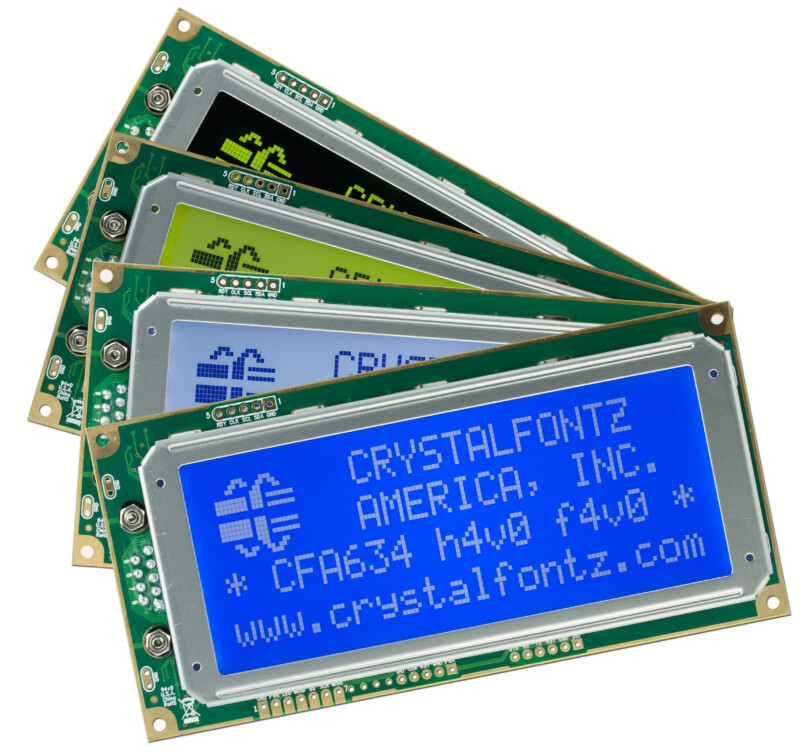
1. Indoor, Low-Traffic Environments
Best For: Consumer products, office equipment, lab instruments.
- Display Type: Standard LCDs, TFTs, or USB LCDs.
- Primary Risks: Dust, fingerprints, light scratches.
- Best Protection:
- Polycarbonate or acrylic overlays.
- Anti-glare films.
✅ Recommended Solution: A thin, optically clear overlay with scratch resistance.
2. Industrial and Factory Settings
Best For: Process control panels, ruggedized handhelds, machinery displays.
- Display Type: Graphic LCDs, OLEDs, or TFTs with or without touch.
- Primary Risks: Dust, oil, vibration, chemical exposure, accidental impact.
- Best Protection:
- Rugged bezels with gasket sealing.
- Toughened glass overlays.
- Conformal coating for internal components.
✅ Recommended Solution: Industrial-grade LCD modules with bonded glass in sealed housings.
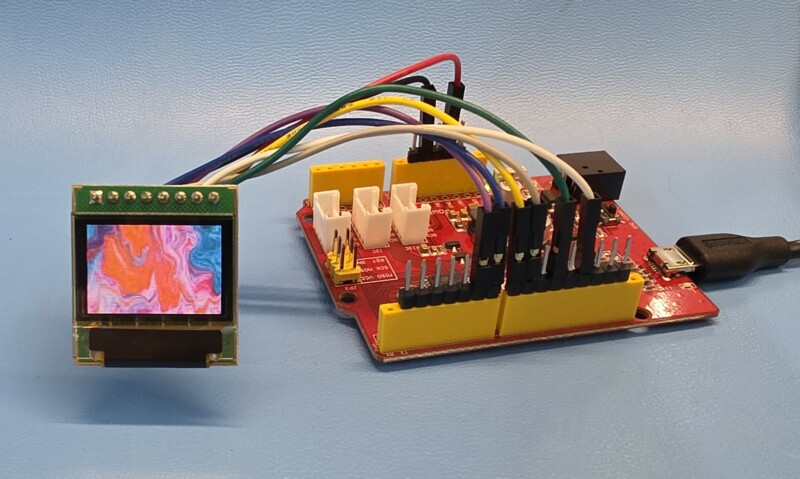
3. Outdoor Environments
Best For: Kiosks, digital signage, handheld field devices, marine displays.
- Display Type: Sunlight-readable LCDs and high-brightness TFTs.
- Primary Risks: UV exposure, rain, condensation, wide temperature swings, vandalism.
- Best Protection:
- UV-resistant coatings.
- Optical bonding.
- Weather-sealed enclosures (IP65+).
- Anti-reflective glass.
✅ Recommended Solution: High-brightness LCDs with bonded, UV-stable glass in sealed enclosures.
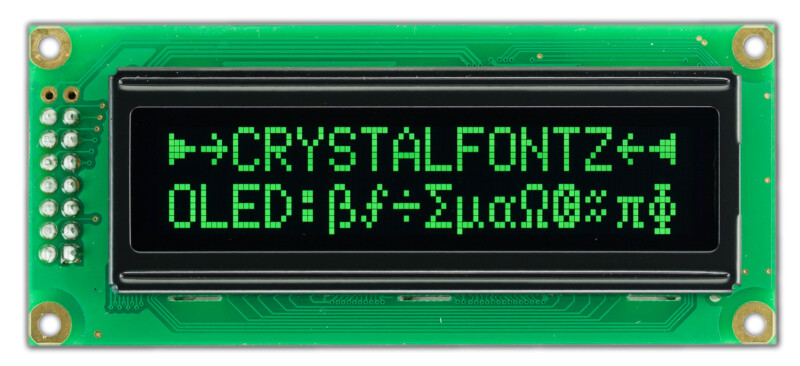
4. Medical and Cleanroom Applications
Best For: Diagnostic devices, lab equipment, and surgical monitors.
- Display Type: High-resolution TFTs or touchscreens.
- Primary Risks: Harsh cleaning chemicals, contamination, and glove usage.
- Best Protection:
- Chemically resistant glass overlays.
- Smooth, sealed front panels.
- Capacitive touchscreens with glove support.
✅ Recommended Solution: Glass-fronted capacitive touch displays with chemical resistance.
5. Touchscreen Devices (General)
- Capacitive Touch:
- Risks: Scratches and impact.
- Protection: Strengthened glass overlays.
- Resistive Touch:
- Risks: Wear on the flexible top layer.
- Protection: Hard-coated polyester overlays or replaceable films.
✅ Recommended Solution: Glass overlays for capacitive; durable films for resistive.
6. Harsh Military or Transportation Applications
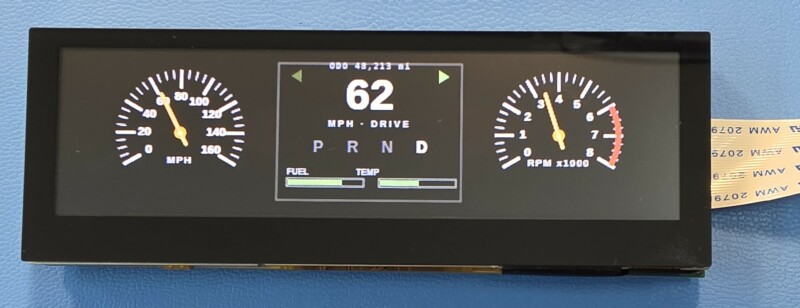
Best For: Vehicle displays, avionics, mission-critical gear.
- Display Type: Ruggedized TFTs, OLEDs, or character displays.
- Primary Risks: Shock, vibration, extreme temperatures, EMI interference.
- Best Protection:
- Rugged enclosures with shock mounting.
- Wide-temperature-rated displays.
- EMI shielding layers.
- Heaters or sunlight-readable enhancements.
✅ Recommended Solution: Rugged MIL-spec displays with bonded glass and EMI shielding.
Quick Comparison Chart
| Environment | Display Types | Risks | Best Protection | Recommended Solution |
|---|---|---|---|---|
| Indoor, Low-Traffic | Standard LCDs, TFTs, Character | Dust, fingerprints, scratches | Polycarbonate overlays, anti-glare films | Clear overlay with scratch resistance |
| Industrial / Factory | Graphic LCDs, OLEDs, TFTs | Dust, oil, vibration, chemicals, impact | Rugged bezels, toughened glass, conformal coating | Bonded glass in sealed housing |
| Outdoor | Sunlight-readable TFTs, LCDs | UV, water, condensation, vandalism, temperature | UV filters, optical bonding, sealed enclosure, AR glass | High-brightness bonded LCD with UV-stable glass |
| Medical / Cleanroom | TFTs, Touchscreens | Cleaning chemicals, contamination, glove use | Chemically resistant glass, sealed panels | Glass-front capacitive touch with chemical resistance |
| Touchscreen (Capacitive) | Capacitive TFTs, OLEDs | Scratches, impact | Strengthened or Gorilla Glass | Glass overlays |
| Touchscreen (Resistive) | Resistive LCDs | Wear on flexible surface | Hard-coated overlays, replaceable films | Durable films |
| Military / Transportation | Rugged TFTs, OLEDs, Character | Shock, EMI, extreme temperatures, vibration | Rugged enclosure, EMI shielding, wide-temp displays | MIL-spec ruggedized displays |
Conclusion
Protecting an LCD display isn’t one-size-fits-all—it depends on the environment, display type, and usage. For light-duty indoor devices, a simple overlay may suffice, but outdoor, industrial, or mission-critical displays require more advanced protection such as rugged glass bonding, optical bonding, or full enclosure sealing.
Selecting the right protection strategy ensures longer display life, improved usability, and reliable performance, no matter the environment.

Jeffrey Nystrom is an engineering technician at Crystalfontz. He graduated from ITT Technical Institute of Technology with his B.S. in Electronics Engineering. In his position, Jeff engages in customer technical support, works on engineering projects, and supports Crystalfontz’s manufacturing operations. Outside of the office, Jeff enjoys working in his shop, tinkering with his 3D printer, and going on new adventures with his family.