
Frequently Asked Questions
Our support team sometimes notices they’ve received the same question a few times. When that occurs, we add it to our FAQ queue, to make a blog post accessible to everyone. These FAQs include how to get devices working, questions about the display industry, questions about microcontrollers, and more! Do you have a question not covered here? Contact Crystalfontz Support.
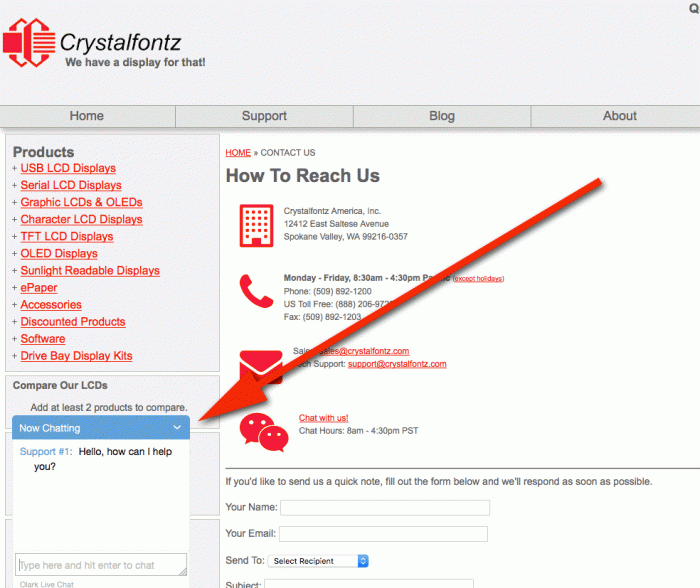
Tech Support Chat
When you can’t find the display or cable information you are looking for, we’d be happy to chat with you using the blue Contact Us! box located on the bottom left on all Crystalfontz web pages. Click here to contact us now. Personalized Customer Support President and Chief Technical Officer Brent noted, “When I’m working […]
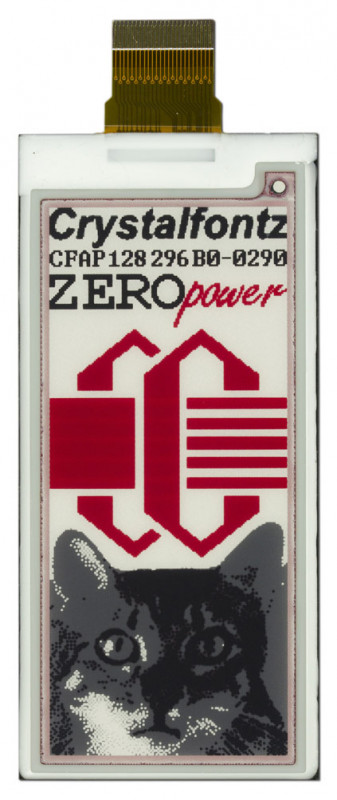
e-Paper is Here!
Question: What’s so special about e-Paper? Answer: The key to e-paper is low power. e-Paper Displays Are A Low Power Solution If your project needs a very low-power display solution, a zero-power ePaper display is the answer. First designed to mimic the appearance of black ink on white paper, these electrophoretic display modules are sometimes referred
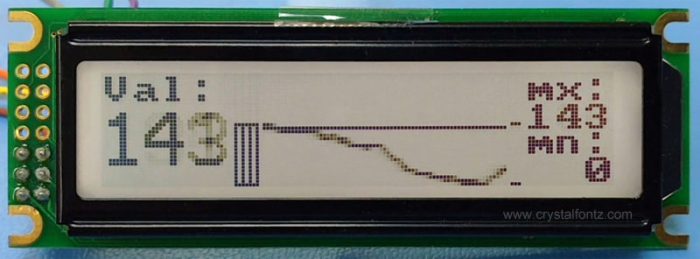
Tutorial: Driving a 144×32 Graphic LCD
We have published a sample Arduino Sketch that shows how to drive a Sitronix ST7920 based CFAG14432D 144×32 Graphic LCD in our support forum. With just a few primitive functions, you can create some nice looking displays. We used a Seeeduino v4.2. An Arduino Uno would work just as well. Here is a video overview of
Tutorial: Driving a 144×32 Graphic LCD Read More »
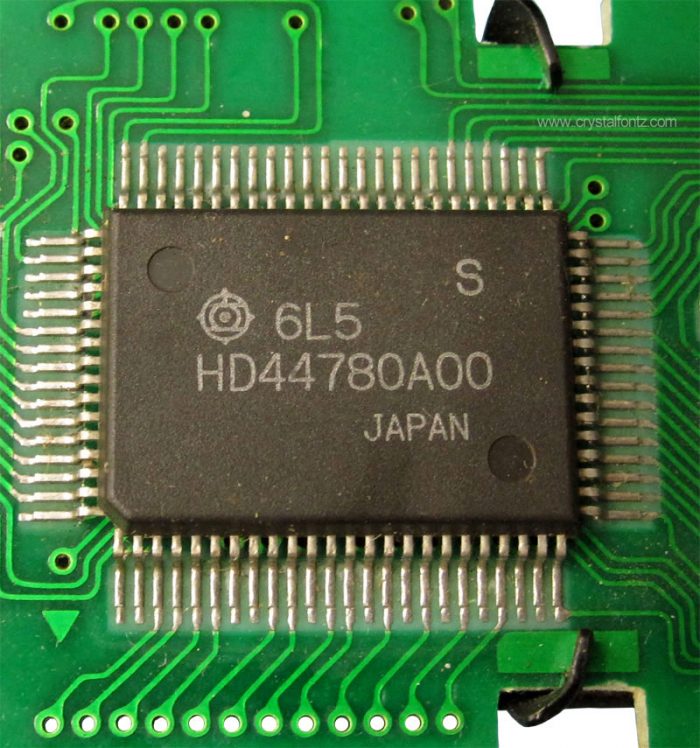
The Legendary HD44780 Controller
Modern Character LCD display modules have been possible since 1987 when Hitachi introduced the HD44780 LCD controller. Since then, Hitachi no longer manufactures this integrated circuit (IC), but modern LCD controller ICs make it a point to be HD44780-compatible. Controller Compatibility The character LCD display modules offered by Crystalfontz America Inc. are no exception to
The Legendary HD44780 Controller Read More »
What is the Difference Between OLED, PMOLED, and AMOLED?
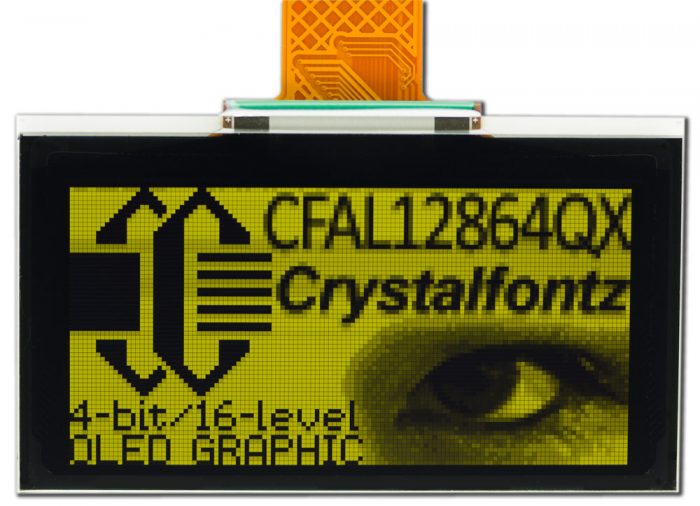
Confused about the differences (and similarities) between OLEDs, PMOLEDs, and AMOLEDs? Quick Version: OLED stands for Organic Light Emitting Diode. PMOLED is Passive Matrix OLED — Passive Matrix Organic Light Emitting Diode. AMOLED is Active Matrix OLED. An Active Matrix OLED uses a TFT (Thin Film Transistor) transistor-per-pixel architecture. Learn More To find out more
What is the Difference Between OLED, PMOLED, and AMOLED? Read More »
LCD Glossary
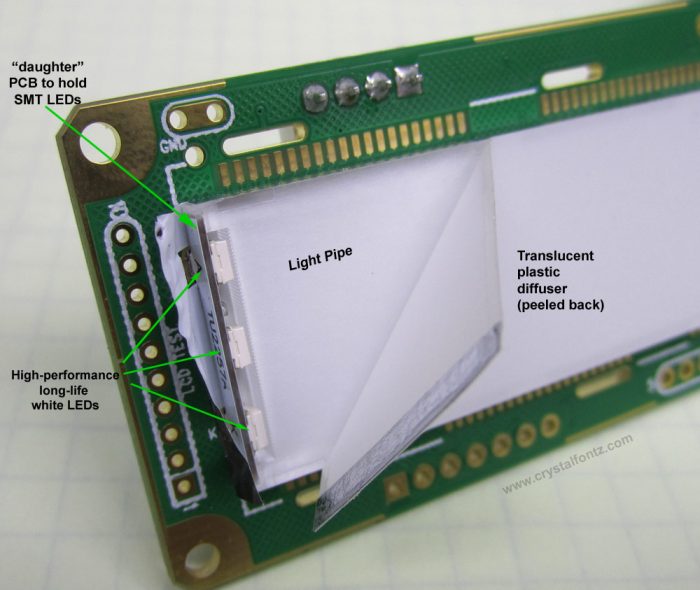
Wondering how LCDs are constructed? How liquid crystals create an image? Or how backlights arranged for best viewing? What about different types of connections (SPI and I2C) and ways to drive LCD displays? So many questions. We have answers — check out the new Crystalfontz LCD Glossary. Growing Glossary of LCD Terminology and Acronyms This glossary will
New Product: 128 x 32 OLED Displays
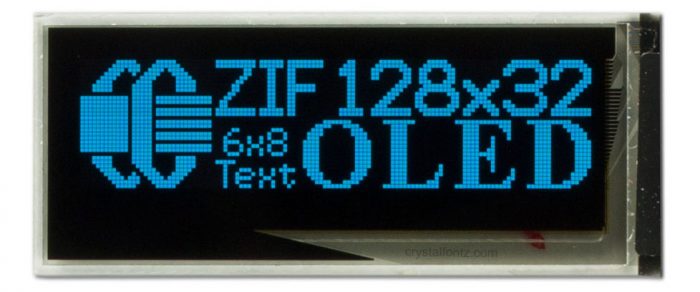
Crystalfontz is pleased to announce a new line of 128 x 32 OLED (Organic Light-Emitting Diode) displays as part of our product catalog. These displays are compact in size and feature a high resolution 128×32 graphic display. Quick Start Guide – What You Need to Know 1) These displays are small and thin. You can
New Product: 128 x 32 OLED Displays Read More »
New Product: Arduino and LCD Module Bundles
2022/08/11 – The modules described in this blog post have been updated with new displays. Read about it here. Or go directly to the updated Graphic LCD Arduino Shield Display page. Crystalfontz America announces three new supporting products for the128x64 pixel COG (Chip-On-Glass) graphic LCD display module series of displays based on the CFA10072 carrier
New Product: Arduino and LCD Module Bundles Read More »
Tutorial: Connecting a TFT Display Using an Arduino or SparkFun Board
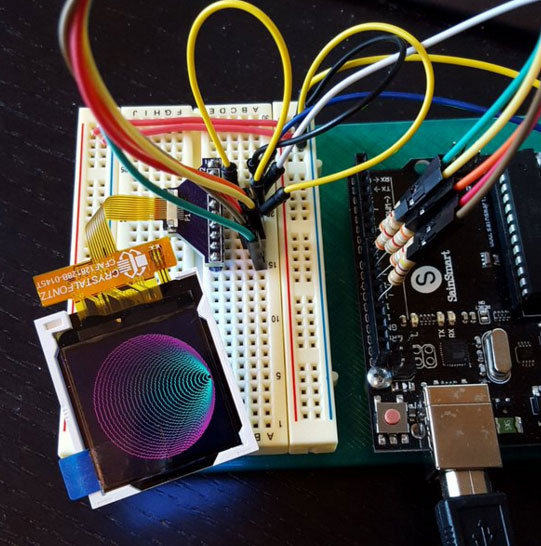
In the video tutorial below, the Crystalfontz 128×128 SPI Color TFT display is connected using 4-wire SPI mode and a SparkFun RedBoard. The software demonstrates bit-banged software SPI, or can use hardware SPI. Please see our tech forum for the complete step-by-step written tutorial. One of our Twitter followers posted this update, using an Arduino-compatible board
Tutorial: Connecting a TFT Display Using an Arduino or SparkFun Board Read More »
FAQ: Hot Bar Soldering for TAB or COF Style LCD Modules
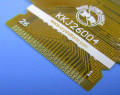
Question Some of your LCDs have a flexible connection, but I can’t find any connectors that fit them. What is the best way to connect these modules to a PCB? Answer There are three kinds of modules that have this kind of construction: TAB (Tape Automated Bonding) COF (Chip On Flex) and some COG (Chip
FAQ: Hot Bar Soldering for TAB or COF Style LCD Modules Read More »
FAQ: How Do I Display an Image on the Crystalfontz 835 LCD Module?
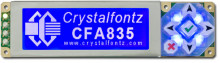
Question: How do I display an image on CFA835 module using the RS232 interface? Answer: You can send an image directly from your host application, or read it off the uSD card. Image Requirements for Use on an LCD Module The image needs to be a BMP, grayscale, 8 bits/pixel, no compression, Microsoft Windows format only.
FAQ: How Do I Display an Image on the Crystalfontz 835 LCD Module? Read More »